In an unpredictable world, being prepared for power outages is crucial for safety and comfort. Flashlamps, also known as flashlights, serve as essential tools in emergency preparedness. They provide light during darkness and can be invaluable during natural disasters, power failures, or any situations where access to electricity is compromised. This article explores various types of flashlamps, their features, and how to select the best ones for your specific needs.
Understanding Different Types of Flashlamps
When it comes to flashlamps, there are several types available, each designed for specific scenarios. Understanding the distinctions can help ensure you choose the right one for your requirements.
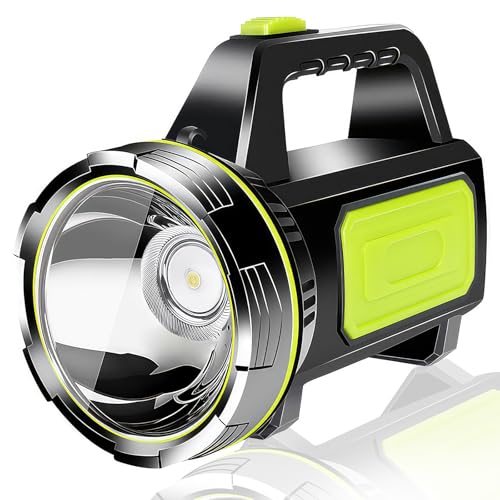
One of the most common types is the handheld flashlight. These portable devices are easy to carry and are often powered by batteries. They are ideal for quick access during emergencies and can fit comfortably in your hand or pocket. High-quality handheld flashlights can emit bright beams, making them suitable for outdoor activities and night-time emergencies.
Another popular type is the headlamp. This device is worn on the head, allowing users to have hands-free illumination. Headlamps are particularly useful for tasks that require both light and the use of both hands, such as repairing equipment during a power outage or navigating through dark spaces.
People Also Look For:
- Relybo Torches LED Super Bright 500,000 Lumen, Rechargeable Torch XHM90.2 Flashlight, LED Torches Powerful Battery Powered, 2 Swit...
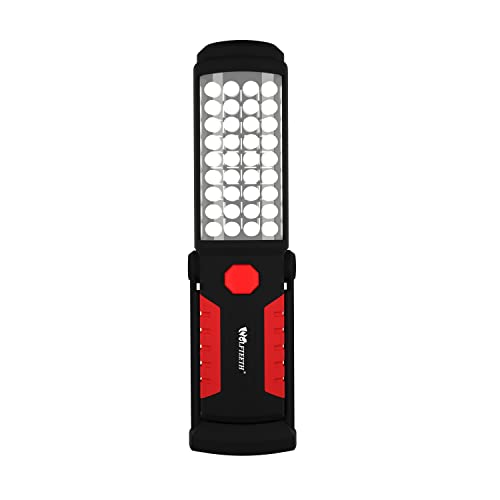
- Wolfteeth LED Torches, 36+5 Magnetic Work Light Portable Flashlight Inspection Lamp Camping Light, 360 Degree Hanging Rotary Hook ...
- LED Torches 1500 Lumen LED Tactical Flashlight Rechargeable IPX7 Waterproof 4 Modes Hunting Torch M Lock Rail Flashlight Included ...
- KOOSREEL Rechargeable LED Bike Lights - 6 Ultra-Bright Modes, Super Long Standby, IP65 Waterproof for Road and Mountain Bicycles
- GEARLITE Rechargeable Torch, 2000LM Torches LED Super Bright Adjustable Focus, Waterproof Small Torch with 3 Lighting Modes, LED T...
There are also lantern-style flashlamps. These provide 360-degree illumination and are perfect for setting up in a room to provide light for an extended period. Lanterns are often rechargeable and can run for many hours on a single charge, making them excellent for camping trips or long power outages.
Key Features to Consider
When selecting a flashlamp, several key features should be considered to ensure it meets your preparedness needs. The brightness of the light, usually measured in lumens, is crucial. A higher lumen count indicates a brighter light. For emergency situations, a flashlight with at least 300 lumens is advisable, as it provides adequate visibility in complete darkness.
Battery life is another important factor. Flashlamps can be powered by disposable batteries, rechargeable batteries, or solar energy. Rechargeable models are often more economical in the long run, but it is essential to ensure they hold a charge for a sufficient duration. Flashlights with a long battery life can last several hours or even days, making them ideal for extended outages.
- Durability: Look for flashlamps that are impact-resistant and waterproof, especially if you live in areas prone to severe weather conditions.
- Size and Weight: Consider how portable you need the flashlamp to be. Compact models are easier to store and carry.
- Light Modes: Some flashlamps feature multiple light modes, including strobe and SOS functions, which can be helpful in emergency situations.
Real World Examples of Effective Flashlamps
Real-world scenarios illustrate the importance of having the right flashlamp on hand. For instance, during Hurricane Sandy, many individuals found themselves without power for days. Those equipped with high-lumen handheld flashlights reported feeling safer and more secure navigating their homes in the dark. One user recounted how their flashlight, with a beam distance of over 200 meters, allowed them to safely check the perimeter of their property, ensuring the safety of their family.
Similarly, during a winter storm that left several neighborhoods in darkness, families who invested in lantern-style flashlamps were able to gather in their living rooms, illuminated by the warm glow of the lantern. This not only provided light but also fostered a sense of community and togetherness during the challenging time.
Choosing the Right Flashlamp for Your Needs
Selecting the right flashlamp is a personal decision that should factor in your unique requirements. Start by evaluating the size of your space. If you live in a large home, a combination of both handheld flashlights and lanterns may be ideal. Handheld models can help you navigate through the home, while lanterns can be placed in common areas for shared visibility.
Consider your typical use cases. For instance, if you frequently go camping or hiking, a lightweight headlamp might be the best choice. It can provide hands-free lighting while you set up camp or cook your meals. Alternatively, if you are preparing for home emergencies, a sturdy handheld flashlight with a high lumen output may be more appropriate.
Finally, always remember to test your flashlamps regularly. Ensure that batteries are charged or replaced as needed, and verify that all features are functioning as intended. This proactive approach will ensure you are ready when emergencies strike, providing you and your loved ones with the reassurance of reliable light.