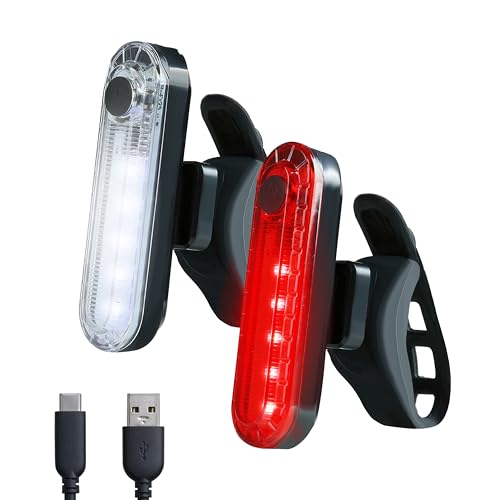
Choosing the right flashlamp is crucial for achieving optimal performance in various applications, from photography to industrial uses. The decision often comes down to two major types: LED flashlamps and traditional bulb flashlamps. Each type has its own set of characteristics that can significantly affect the quality of light output, energy consumption, and lifespan. Understanding these differences is vital for anyone looking to invest in flashlamp technology.
Understanding LED Flashlamps
LED flashlamps, or light-emitting diode flashlamps, have gained popularity due to their energy efficiency and longevity. Unlike traditional bulb flashlamps, which rely on incandescent filaments or gas-filled tubes, LED flashlamps produce light through electroluminescence. This technology not only results in brighter light but also reduces heat production, making LED flashlamps safer to use in various environments.
One of the primary advantages of LED flashlamps is their low energy consumption. For example, an LED flashlamp can produce the same amount of light as a traditional bulb flashlamp while using significantly less power. This efficiency not only benefits the environment by reducing energy consumption but also leads to lower electricity bills for users. Many consumers are now opting for LED options in settings such as event lighting and photography, where prolonged use is common.
Moreover, the lifespan of LED flashlamps is notably longer than that of traditional bulbs. A well-made LED flashlamp can last up to twenty-five thousand hours or more, whereas traditional bulbs typically last around one thousand hours. This longevity means that users spend less time and money on replacements, making LED flashlamps an economical choice in the long run.
Exploring Traditional Bulb Flashlamps
Traditional bulb flashlamps have been the go-to option for many years, especially in professional photography and film production. These flashlamps produce warm light that is often preferred for specific artistic applications. Photographers sometimes favor the color temperature provided by traditional bulbs, which can enhance the quality of images in certain lighting conditions.
People Also Look For:
- 4Pcs Bike Lights Front and Back - Reliable Companion for Outdoor Cycling, Three Brightness Level Options Ensuring Nighttime Riding...
- Maraiss Rechargeable Front and Back Bike Lights Set - 9 LED, IP65 Waterproof Bike Light, Lightweight with 8-Hour Prolonged Running...
- Rechargeable Torches LED Super Bright 500000 Lumens, Powerful USB C LED Torch Light with Mini UV 365nm Touch, High Power Tactical ...
- Sofirn SC28 Led Torch 2800 Lumens Super Bright Type C Rechargeable Torches Powerful Tactical EDC Flashlight with 3 User-Selectable...
- CIRYCASE Bike Lights Front and Back, Super Bright Bicycle Lights USB Rechargeable, IPX6 Waterproof Bike Light Set for Night Riding...
However, it is essential to consider the downsides associated with traditional bulb flashlamps. Their energy consumption is considerably higher compared to LED models, which might deter environmentally conscious users. Additionally, the heat generated by traditional bulbs can become a safety concern, especially in enclosed spaces or during extended use. Photographers working in studio settings often need to manage this heat carefully, sometimes employing additional cooling equipment.
In terms of initial cost, traditional bulb flashlamps can be less expensive to purchase than their LED counterparts. However, this lower upfront cost may be misleading when factoring in energy usage and replacement frequency. Over time, the total cost of ownership for traditional flashlamps can exceed that of LEDs, making it crucial for buyers to assess their long-term needs.
Comparative Analysis of Performance
When evaluating LED and traditional bulb flashlamps, performance is a key factor that should be analyzed. The intensity of the light output plays a significant role in applications such as photography, where capturing the right moment is essential. LED flashlamps often provide a more consistent light output, which can be critical when shooting in dynamic environments.
On the other hand, traditional bulb flashlamps might have a slight edge in terms of color rendering. Many photographers argue that traditional bulbs produce richer colors that can enhance the overall aesthetic of photographs. This could lead to a preference for traditional bulbs in specific creative scenarios despite their other disadvantages.
Additionally, the speed at which flashlamps can recycle and be ready for subsequent shots is crucial in fast-paced environments. LED flashlamps typically have shorter recycling times, allowing photographers to capture multiple images in quick succession without delays. This advantage can significantly impact the outcome of events such as weddings or sports photography, where timing is everything.
Making the Right Choice Based on Needs
Choosing between LED and traditional bulb flashlamps ultimately depends on individual needs and specific applications. For consumers focused on energy efficiency, longevity, and consistent performance, LED flashlamps present a compelling case. Conversely, those seeking warmth in lighting and a more artistic quality may prefer traditional bulbs despite the higher operational costs.
To make an informed choice, potential buyers should consider the following factors:
- Purpose of use, whether for photography, events, or industrial applications
- Budget constraints, factoring in both initial and ongoing costs
- Desired light quality and performance characteristics
- Frequency of use and need for maintenance or replacements
By weighing these considerations against the features of each flashlamp type, users can select the option that best aligns with their specific requirements and objectives. This decision-making process should involve careful research and possibly testing different products to observe their performance in real-world scenarios.