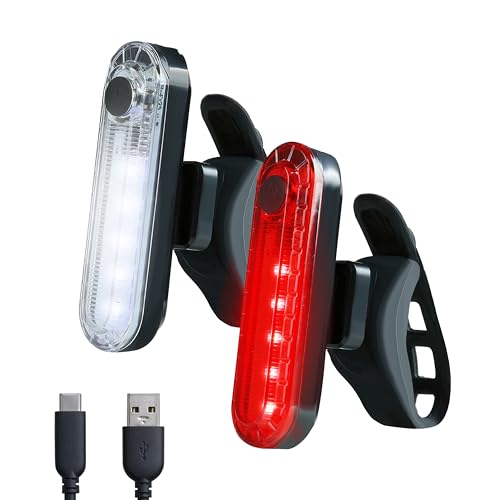
In the realm of bushcraft and wilderness navigation, mastering various tools and techniques is essential for safety and efficiency. Among these tools, flashlamps play a crucial role in not only illuminating the path ahead but also in ensuring effective communication and signaling in challenging environments. Understanding the diverse applications and benefits of flashlamps can significantly enhance the experience of outdoor enthusiasts and survivalists alike.
Understanding Flashlamps and Their Functionality
Flashlamps, commonly known as handheld flashlights or torches, have evolved significantly over the years. Early models relied on incandescent bulbs and basic battery technology, while modern flashlamps utilize LED technology, offering greater efficiency and longevity. These advancements have made flashlamps more versatile and reliable in various wilderness conditions.
One of the primary functionalities of flashlamps is their ability to provide illumination in low-light settings. When navigating dense forests or remote areas, the ability to see clearly can mean the difference between a successful adventure and potential danger. Modern flashlamps offer various brightness settings, allowing users to adjust their light output based on specific needs, whether for reading a map or signaling for help.
Applications in Navigation and Safety
In bushcraft, flashlamps serve multiple purposes that go beyond mere illumination. They are essential tools for night navigation, enabling explorers to discern their surroundings and avoid obstacles. For instance, when traversing a rocky terrain, a reliable flashlamp can highlight potential hazards that may not be visible in the darkness. This capability is particularly vital during unexpected changes in weather, such as a sudden fog or storm that can obscure visibility.
Furthermore, flashlamps can aid in navigation by providing a reference point. When paired with a compass or a map, the light from a flashlamp can assist in orienting oneself in the wilderness. Outdoor enthusiasts can use the beam of light to mark specific landmarks or to illuminate trails, making it easier to retrace their steps if needed.
People Also Look For:
- 4Pcs Bike Lights Front and Back - Reliable Companion for Outdoor Cycling, Three Brightness Level Options Ensuring Nighttime Riding...
- Rolgno Super Bright Bike Lights, Ultra-Slim & Lightweight Rechargeable Bike Lights Front and Back, [5+6 Modes] Dual USB-C Bike Lig...
- Bike Lights Front and Back, Super Bright 6 Light Modes Bicycle Lights IP65 Waterproof Cycle Lights, Easy To Install 3000 Lumens US...
- Mohard Bike Lights, [4+7 Modes] & [LED Power Display] Bicycle Lights Front and Back, Rechargeable 3000mAh & Super Bright 2000LM, I...
- LED Torches Super Bright Rechargeable Torch with COB Work Light,500000 Lumens Waterproof Tactical Torch Powerful Flashlight for Ca...
- Illumination in low-light conditions
- Hazard identification in rocky terrains
- Reference point for navigation
- Signal for assistance or distress
Real World Scenarios Involving Flashlamps
Consider a scenario where a group of campers sets up their site in a remote forest. As night falls, they find themselves surrounded by darkness. Utilizing flashlamps, they illuminate their campsite, ensuring that they can safely navigate around their gear without tripping or encountering wildlife. This practical use of light not only enhances their safety but also contributes to a more enjoyable camping experience.
In another situation, imagine a hiker who has lost their way during a night trek. Armed with a flashlamp, they can use the beam to signal for help or to reflect light off nearby surfaces to create a noticeable signal. This method of signaling can be a lifesaver, especially in areas where cell phone reception is unreliable.
Choosing the Right Flashlamp for Wilderness Use
When selecting a flashlamp for bushcraft and wilderness navigation, several factors should be considered. Firstly, durability is paramount. A flashlamp designed for outdoor use should be impact-resistant and waterproof to withstand the elements. Additionally, battery life is a critical consideration. Opting for models that offer extended use on a single charge can be advantageous during prolonged adventures.
Another important feature to evaluate is the light output. Flashlamps come with varying lumens ratings, which indicate their brightness. For wilderness navigation, a model that provides adjustable brightness settings can be extremely useful, allowing users to conserve battery life when less light is needed.
- Assess durability and resistance to elements
- Evaluate battery life and charging options
- Choose adjustable brightness settings
In addition to these practical features, consider the weight and size of the flashlamp. A compact and lightweight model can be easily carried during hikes or camping trips without adding unnecessary bulk to one's gear. Many modern flashlamps also come equipped with additional features, such as strobe modes or SOS signals, which can enhance their utility in emergency situations.
Integrating Flashlamps into Bushcraft Skills
Integrating flashlamps into bushcraft skills requires practice and familiarity with the tool. For example, learning how to effectively use a flashlamp for signaling can be a valuable skill, especially in emergency scenarios. Practicing different signaling techniques in various environments can prepare individuals for real-world situations where they may need to communicate their location to rescuers.
Moreover, flashlamps can be used in conjunction with other bushcraft skills, such as fire building or shelter construction. When constructing a shelter at night, a flashlamp can provide necessary visibility, allowing for precise movements and better attention to detail. Similarly, when gathering materials for a fire, the light can help identify suitable tinder and kindling that may otherwise be overlooked in the dark.
Ultimately, mastering the use of a flashlamp in conjunction with other essential bushcraft skills can lead to a more successful and enjoyable wilderness experience. As outdoor enthusiasts continue to explore the vastness of nature, understanding the integral role of flashlamps in navigation and safety will enhance their knowledge and preparedness for various conditions. This knowledge can be the difference between a memorable adventure and a challenging ordeal, emphasizing the importance of proper gear selection and skill development in wilderness settings.