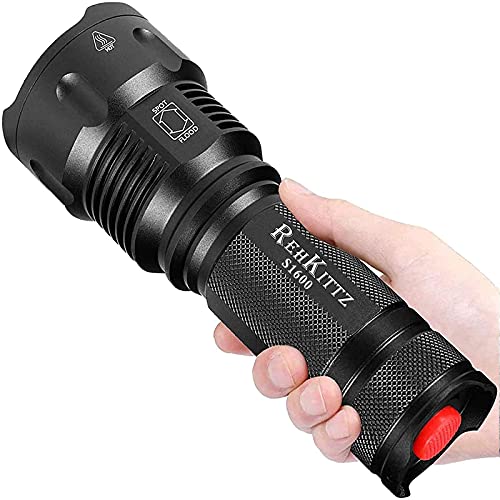
Flashlamps are vital components in various applications, including medical devices, laser technology, and photography. Ensuring their longevity and optimal performance requires proper storage practices. This article outlines expert techniques to store flashlamps effectively, addressing environmental factors, handling procedures, and maintenance routines that can significantly impact their lifespan.
Understanding Flashlamp Technology
Flashlamps operate by producing intense bursts of light through a gas discharge mechanism. These devices are sensitive to environmental conditions and require careful consideration during storage. The materials used in flashlamps, including quartz and various gases, can degrade if not stored properly. Understanding the technology behind flashlamps helps in recognizing why storage practices are crucial.
For instance, flashlamps used in medical lasers are often exposed to high-energy conditions. If stored improperly, they may suffer from performance issues, leading to inefficient energy delivery during procedures. This highlights the importance of adhering to specific storage guidelines aimed at preserving their functionality.
Environmental Considerations for Storage
When storing flashlamps, environmental factors play a significant role in their longevity. Temperature, humidity, and exposure to light are critical aspects to monitor. Flashlamps should be kept in a controlled environment where temperature fluctuations are minimal. Ideally, the storage area should maintain a stable temperature between 15 and 25 degrees Celsius. Extreme heat can cause the gases inside the lamp to expand, leading to potential breakage.
Humidity is another crucial factor. Excess moisture can lead to corrosion of electrical components and degradation of the quartz envelope. It's advisable to keep flashlamps in a dry location, away from areas prone to dampness. Utilizing silica gel packets in storage containers can help absorb any excess moisture, ensuring a stable environment.
People Also Look For:
- Torches LED Super Bright 600000 Lumen, Rechargeable Torch with LCD Power Display and Zoomable, High Powered LED Torch 5 Light Mode...
- Bike Lights Front and Back, Super Bright 6 Light Modes Bicycle Lights IP65 Waterproof Cycle Lights, Easy To Install 3000 Lumens US...
- EverBrite 4-Pack Small LED Torches, Batteries Included, Thick-Walled Aluminium Pocket Flashlight Set for Party Favours, Camping, G...
- Torches LED Super Bright 600000 Lumen, Rechargeable Torch with LCD Power Display and Zoomable, High Powered LED Torch 5 Light Mode...
- REHKITTZ Bike Lights Set 3300 Lumen Super Bright,5000 mAh Super Long Standby Rechargeable Bike Light Front and Back,with COB and P...
- Maintain a temperature between 15 and 25 degrees Celsius.
- Store in a low humidity environment.
- Avoid direct sunlight exposure.
Handling Practices for Flashlamps
Proper handling of flashlamps is vital during both storage and installation. Always use gloves when touching flashlamps to prevent oils from fingers from contaminating the surface. Contaminants can lead to uneven heating during operation, resulting in premature failure. Additionally, ensure that flashlamps are transported in cushioned packaging to prevent physical damage.
When placing flashlamps in storage, utilize foam inserts or padded compartments to provide cushioning. This practice minimizes the risk of impact damage, which can compromise the integrity of the lamp. For instance, when transporting flashlamps for a photography project, using a secure case with foam inserts can protect them from shocks and drops.
Regular Maintenance and Inspection
Regular inspection of flashlamps is essential to identify any potential issues before they become critical. Schedule periodic checks to ensure that the lamps are free from dust and debris. Cleaning the exterior with a lint-free cloth can help maintain clarity and performance. Avoid using chemical cleaners, as they may damage the lamp’s surface.
In addition to exterior cleaning, inspecting the lamp's electrical contacts is vital. Ensure that there are no signs of corrosion or wear. If any damage is detected, it is crucial to replace the flashlamp promptly. For example, in a medical setting, routine checks can prevent unexpected failures during surgical procedures, ensuring patient safety and efficiency.
- Inspect flashlamps regularly for dust or debris.
- Clean with a lint-free cloth, avoiding chemicals.
- Check electrical contacts for corrosion.
Utilizing Proper Storage Containers
The choice of storage containers significantly affects flashlamp preservation. Use containers that are resistant to temperature fluctuations and moisture. Vacuum-sealed bags are an excellent option, as they eliminate air exposure that can lead to oxidation. Alternatively, consider specialized storage boxes designed for electronic components, ensuring they offer adequate protection against environmental factors.
Labeling containers clearly can also streamline the storage process. Include details such as the model number, purchase date, and any specific handling instructions. This practice not only aids in organization but also helps in tracking the lifespan of each flashlamp, facilitating timely replacements when necessary.
In scenarios where multiple flashlamps are stored, maintaining an inventory list can be beneficial. This list should include installation dates and performance records, allowing for quick and efficient reference. For instance, a laboratory using various flashlamps in experiments can benefit from a detailed log that tracks usage and performance, enhancing overall operational efficiency.
By adhering to these expert storage guidelines, users can extend the life of their flashlamps significantly, ensuring they perform effectively whenever needed. Proper environmental control, careful handling, regular maintenance, and appropriate storage solutions all contribute to the longevity and reliability of these essential devices. Following these practices not only protects the investment in flashlamps but also guarantees optimal performance in critical applications.
![Mohard Bike Lights, [8+12 Modes & USB Rechargeable] Ultra Br](https://m.media-amazon.com/images/I/41YVs1iZkAL._SL500_.jpg)